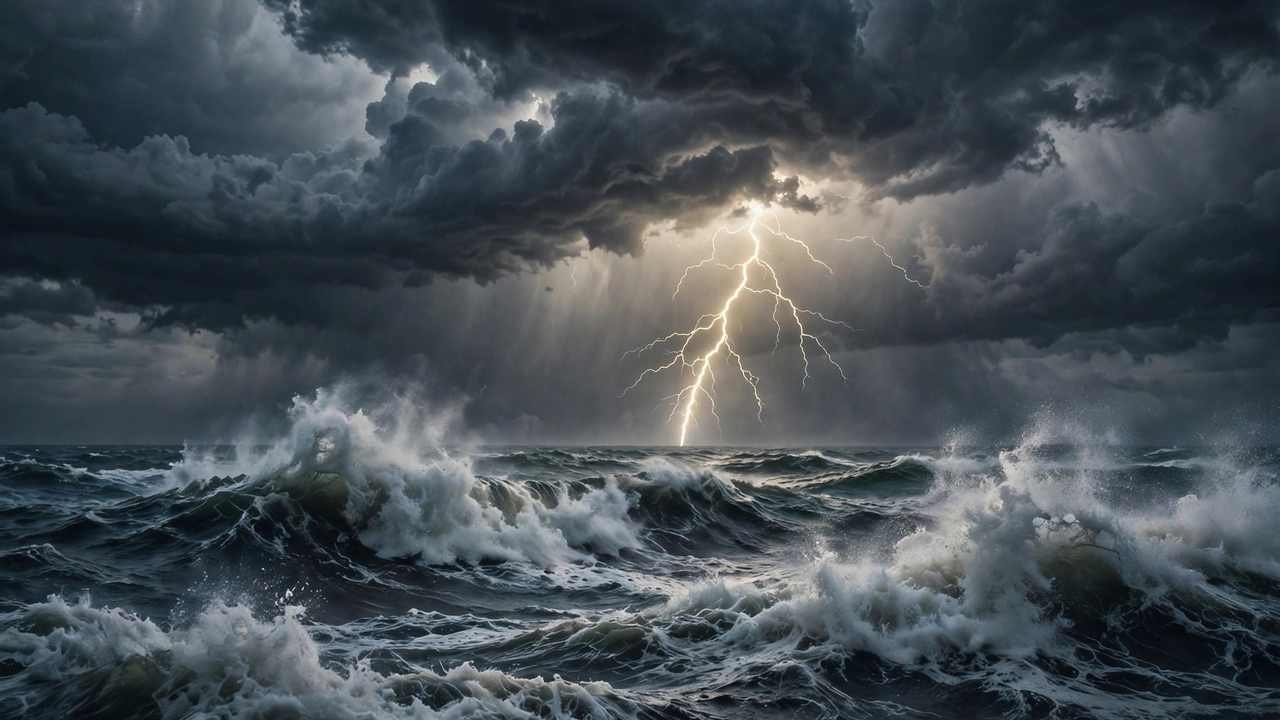
Anger is a fire that everyone feels, but describing it is not easy. Saying I was angry tells the reader almost nothing. Saying my anger rose like a volcano tells the reader everything. That is the power of a simile. It turns a feeling into a picture.
In this guide you will find 30 powerful similes for anger, each with a clear meaning and a real example sentence. Use them in stories, essays, speeches, and everyday writing. Each simile is written in simple English, so students and writers of every level can use them right away.
What Is a Simile for Anger
A simile for anger is a comparison that describes anger by saying it is like or as something else, such as a volcano or a storm. The comparison works because anger behaves like those things. It builds, it erupts, it cools, and it leaves damage behind.
Writers use anger similes to show how strong the feeling is. A small irritation can be like a spark. A huge rage can be like a wildfire. The image tells the reader the size of the anger without a long explanation.
30 Similes for Anger With Meanings and Examples
1. Anger is like a volcano erupting.
Meaning: Anger builds silently for a long time and then explodes with great force.
Example: His anger was like a volcano erupting, and years of quiet frustration burst out in a single shout.
2. Anger is like a wildfire.
Meaning: Anger spreads fast, feeds on everything around it, and is hard to control once it starts.
Example: Her anger was like a wildfire, and one careless comment set the whole meeting ablaze.
3. Anger is like a boiling kettle.
Meaning: Anger heats up slowly and then releases steam in a loud burst.
Example: My anger was like a boiling kettle, and by the end of the argument I could feel the steam rising.
4. Anger is like a storm.
Meaning: Anger arrives with noise and force, shakes everything, and then passes.
Example: His anger was like a storm, and the whole house went quiet until it blew over.
5. Anger is like a raging bull.
Meaning: Anger makes a person charge ahead without thinking, the way a bull charges at anything in its path.
Example: She was like a raging bull, and nobody dared to stand in front of her.
6. Anger is like thunder.
Meaning: Anger is loud, sudden, and impossible to ignore.
Example: His voice was like thunder, and the children stopped playing at once.
7. Anger is like a pressure cooker.
Meaning: Anger builds under a tight lid, and if it is never released safely, it blows.
Example: Her anger was like a pressure cooker, and holding it in all week only made the explosion bigger.
8. Anger is like a lit fuse.
Meaning: Anger burns toward an explosion, and once the fuse is lit, there is little time to stop it.
Example: His anger was like a lit fuse, and the insult was the spark that set it burning.
9. Anger is like a hurricane.
Meaning: Anger is powerful, wide, and destructive, and it sweeps up everything near it.
Example: Her anger was like a hurricane, and the whole office felt its force that day.
10. Anger is like a swarm of bees.
Meaning: Anger comes in many small stings at once, and each one adds to the pain.
Example: His anger was like a swarm of bees, and every reminder of the betrayal stung again.
11. Anger is like a firecracker.
Meaning: Anger is sudden, loud, and short, with a sharp pop that surprises everyone.
Example: Her anger was like a firecracker, and the room jumped at the sudden burst.
12. Anger is like a red hot iron.
Meaning: Anger burns everything it touches, and the longer it stays hot, the deeper the mark it leaves.
Example: His anger was like a red hot iron, and his words left a mark that took weeks to fade.
13. Anger is like a tidal wave.
Meaning: Anger rises without warning and crashes over everything in its way.
Example: Her anger was like a tidal wave, and the apology came too late to stop it.
14. Anger is like a lion roaring.
Meaning: Anger is loud, proud, and meant to warn others to stay away.
Example: His anger was like a lion roaring, and the whole street turned to look.
15. Anger is like a shaken soda bottle.
Meaning: Anger builds pressure when it is shaken, and opening it too fast sprays everywhere.
Example: My anger was like a shaken soda bottle, and one more question would have made it spray.
16. Anger is like a hammer pounding.
Meaning: Anger strikes again and again, and each blow lands on the same sore spot.
Example: His anger was like a hammer pounding, and every sentence hit the same old wound.
17. Anger is like a hornets nest disturbed.
Meaning: Anger erupts when something private is poked, and the reaction is fast and fierce.
Example: Her anger was like a hornets nest disturbed, and the joke about her family set it off.
18. Anger is like a pot boiling over.
Meaning: Anger rises past the edge of control and spills onto everything nearby.
Example: His anger was like a pot boiling over, and the argument spilled into every topic at once.
19. Anger is like a thundercloud.
Meaning: Anger hangs dark and heavy before it breaks, and everyone can see it coming.
Example: Her anger was like a thundercloud, and her face darkened long before she spoke.
20. Anger is like a dragon breathing fire.
Meaning: Anger breathes heat and flame, and the words it produces can burn.
Example: His anger was like a dragon breathing fire, and his reply burned the whole conversation down.
21. Anger is like a bomb ticking.
Meaning: Anger counts down quietly, and the silence before the blast feels worse than the blast itself.
Example: Her anger was like a bomb ticking, and the quiet dinner felt more frightening than a shout.
22. Anger is like a river in flood.
Meaning: Anger rises past its banks and covers ground it normally never touches.
Example: His anger was like a river in flood, and it swept up old complaints from years ago.
23. Anger is like a barking dog.
Meaning: Anger is loud and alarming, but it often guards fear rather than true danger.
Example: His anger was like a barking dog, and behind the noise I could hear that he was afraid.
24. Anger is like a spark in dry grass.
Meaning: A tiny spark of anger can start a huge fire when the conditions are dry.
Example: Her anger was like a spark in dry grass, and one rude word started a fire that burned all day.
25. Anger is like a train off its track.
Meaning: Anger leaves its normal path and crashes into places it was never meant to go.
Example: His anger was like a train off its track, and the argument about money crashed into our marriage.
26. Anger is like a fist clenched tight.
Meaning: Anger tightens the body and the mind, and it cannot hold anything gentle while it stays clenched.
Example: Her anger was like a fist clenched tight, and she could not hold a kind word until she opened her hand.
27. Anger is like a wound touched raw.
Meaning: Anger flares when an old hurt is touched, and the pain feels fresh again.
Example: His anger was like a wound touched raw, and the mention of his old job made him shout.
28. Anger is like a match struck in the dark.
Meaning: Anger appears suddenly in a quiet moment and changes everything in a flash.
Example: Her anger was like a match struck in the dark, and the calm evening turned tense in a second.
29. Anger is like a kettle left on the flame.
Meaning: Anger grows worse when it is ignored, and the longer it sits on the heat, the louder it whistles.
Example: His anger was like a kettle left on the flame, and ignoring the problem only made it scream.
30. Anger is like a dam cracking.
Meaning: Anger holds back a flood of feeling, and one small crack can release the whole wall of water.
Example: Her anger was like a dam cracking, and years of held back tears poured out with it.
Similes for Anger by Intensity
Not every anger is the same size, and the best writers match the image to the heat. For mild irritation, use small images, such as a spark, a simmer, or a kettle warming. These show annoyance without drama, and they leave room for the feeling to grow. For medium anger, use images with motion, such as a storm gathering, a pot boiling over, or a dog barking. These show that the feeling is active and loud, but still under some control.
For full rage, use the largest images, such as a volcano erupting, a wildfire, or a hurricane. These show a force that cannot be stopped by words alone. When you match the size of the image to the size of the anger, your writing feels honest. When you use a volcano for a late bus, the reader stops believing you.
How to Use Similes for Anger in Writing
Match the simile to the size of the anger. A small irritation fits a spark or a kettle. A huge rage fits a volcano or a hurricane. If the image is bigger than the feeling, the writing sounds fake. If the image is smaller, the reader will not feel the anger.
Show the anger through action after the simile. Write what the person did, such as slamming a door or going silent. The simile opens the picture, and the action proves it. In dialogue, let a character speak through the simile once, then return to plain speech. One strong comparison per scene is enough.
Common Mistakes to Avoid
First, avoid stacking three anger similes in one sentence. A volcano plus a wildfire plus a hurricane in one line leaves the reader with noise, not a picture. Second, avoid similes that praise anger when the story needs it to look harmful. A dragon breathing fire sounds cool, but it can make rage look heroic. Third, avoid using anger similes for every small annoyance. If a late bus feels like a volcano, then a real betrayal has nowhere left to go. Save the biggest images for the biggest feelings.
FAQs About Similes for Anger
What is a simile for anger?
A simile for anger is a comparison that says anger is like or as something else, such as a volcano or a storm. It shows how strong and fast the feeling is.
What is a strong simile for anger?
Anger is like a volcano erupting is one of the strongest, because it shows pressure building and then exploding. Anger is like a wildfire is also strong, because it shows anger spreading fast.
How do I describe anger in a story?
Use one simile to set the picture, then show the body language and the action. Clenched fists, a raised voice, or sudden silence tell the reader the anger is real.
Can I use similes for anger in school essays?
Yes. Teachers welcome them when they fit the topic. Use one or two, explain them briefly, and keep the tone right for the essay.
What is the difference between a simile and a metaphor for anger?
A simile uses like or as, as in anger is like a storm. A metaphor states it directly, as in anger is a storm. Similes feel clearer for beginners.
Conclusion
Anger is a storm that visits everyone. The right simile lets you describe it honestly, without exaggerating and without hiding it. Choose the image that fits the moment, show what the anger did, and your writing will feel true.

Hi, I’m Ethan Caldwell. I enjoy writing simple and creative similes. I help readers express feelings like love and happiness in easy words on Similisticez.com.