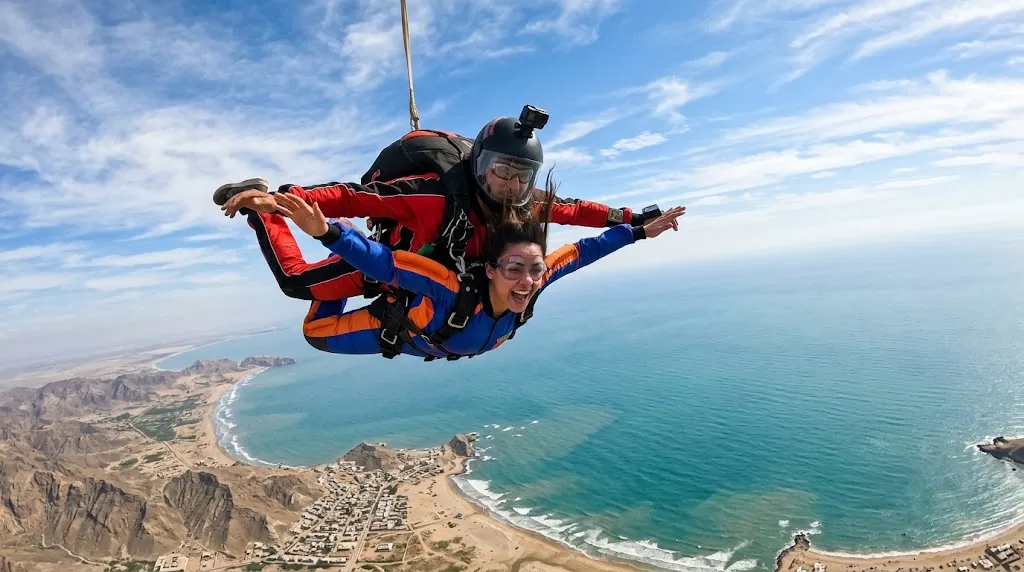
How Much Does It Cost to Skydive: 2026 Tandem Price Guide
Have you ever watched a skydiving video and wondered what it would actually cost to feel that freefall yourself? Price is usually the first question every beginner asks, and the honest answer is that how much does it cost to skydive depends on the type of jump, the location, the altitude, the day of the week, and the extras you add. This guide breaks down realistic 2026 skydiving cost ranges so you can budget with confidence.
One important note before the numbers: prices vary widely between drop zones and change over time, so treat every figure here as a typical range, not a fixed quote. A tandem jump in a small market town will not cost the same as one over a famous coastline, and seasonal demand moves prices up and down. Always confirm the current total with your chosen drop zone before booking.
How Much Does It Cost to Skydive: The Quick Answer
For a first time jumper, a tandem skydive is the standard option, and in the United States it typically costs roughly 200 to 350 dollars per person. That range covers the instructor, equipment, briefing, and the aircraft ride to altitude. Adding a professional photo or video package usually brings the total to roughly 350 to 550 dollars. Learning to skydive independently through a full training program is a much bigger commitment, generally roughly 1,800 to 4,000 dollars for the course, and roughly 2,500 to 5,500 dollars all in from first jump to full license depending on how quickly you progress.
| Skydiving Option | Typical 2026 Cost Range | Best For |
|---|---|---|
| Tandem skydive | Roughly 200 to 350 dollars | First time jumpers |
| Tandem plus video and photos | Roughly 350 to 550 dollars | Capturing the memory |
| Full training course to license | Roughly 2,500 to 5,500 dollars all in | Future solo skydivers |
| Solo jump ticket after licensing | Roughly 30 to 40 dollars per jump | Licensed skydivers |
| Indoor skydiving session | Lower cost per session | Trying freefall indoors |
These ranges reflect widely published 2026 figures from drop zone rate sheets across the United States. Prices in other countries differ, and even within one country the spread can be wide, so use this table as a starting point for your own research.
How Much Does Tandem Skydiving Cost
Tandem skydiving is the option almost every beginner chooses. You are securely harnessed to an experienced instructor who handles the technical parts of the jump, including the exit, the freefall position, the parachute deployment, and the landing. You get to enjoy the experience without any prior training beyond a short briefing.
The typical tandem price of roughly 200 to 350 dollars usually reflects several variables. Drop zones near major cities or famous scenery often sit at the higher end, while smaller regional centers may offer weekday deals near the lower end. Some centers advertise starting prices under 200 dollars for off peak slots, while premium coastal or big city locations can exceed the typical range. The key is to compare the total package, not just the headline number.
What Determines Your Tandem Price
- Location: Tourist hotspots and major metro areas generally charge more than small town drop zones, because demand, land costs, and operating expenses are higher.
- Jump altitude: Standard jumps leave the aircraft around 10,000 to 14,000 feet. Some centers offer premium higher altitude jumps with longer freefall, which cost extra.
- Day and season: Weekends, holidays, and peak summer months are the most expensive times. Weekday jumps in the off season are often the cheapest way to book.
- Media add ons: Professional photos, video, or both are the most common extras and can add roughly 90 to 150 dollars or more to your bill.
- Group and special discounts: Many drop zones offer reduced rates for military members, students, groups, and birthday jumpers, so always ask.
What Is Included in a Tandem Price
A standard tandem package normally bundles everything you need into one price. Before you compare offers, check that the package includes the certified instructor, the pre jump safety briefing, all required equipment including the tandem parachute system and harness, the aircraft ride to altitude, and the jump itself with landing assistance. Some centers also include a logbook entry or a certificate.
What is often not included: professional photos and video, transportation to the drop zone, food and drinks, and any premium altitude upgrade. A low advertised price that excludes the briefing essentials is not actually cheaper, so always ask for the full list of inclusions before paying a deposit.
How Much Does It Cost to Learn to Skydive
If one tandem jump leaves you hooked, learning to skydive solo is the next step, and it costs far more than a single recreational jump. The most common training path is Accelerated Freefall, known as AFF, a structured program of ground school plus supervised jumps through progressive levels until you earn your license.
A full AFF course typically costs roughly 1,800 to 4,000 dollars depending on the school and location. From your very first jump through to a full license, students should budget roughly 2,500 to 5,500 dollars all in. The wide range exists because progress varies: students who repeat levels need extra paid jumps, and some schools bundle prerequisites while others price them separately.
What Training Costs Cover
- Ground school: Classroom instruction on equipment, body position, emergency procedures, and landing technique.
- Supervised training jumps: A set number of jumps with instructors at each level of the program.
- Equipment rental: Beginner students normally use the school’s rigs, which is usually built into the course price.
- Jump tickets: Each training jump includes the aircraft ride, and extra jumps beyond the package cost extra.
- Membership and licensing fees: National association membership and license processing vary by country.
- Repeat levels: If an instructor asks you to redo a level, those additional jumps add to the total.
Gear Costs After Licensing
Once licensed, many skydivers eventually buy their own equipment. A complete used rig can cost a few thousand dollars, while new custom gear costs considerably more. Beginners should not buy gear before training; schools provide everything, and instructors will advise you on the right time to purchase your own setup.
How Much Do Solo Jumps Cost After You Are Licensed
Here is the good news for committed skydivers: once you are licensed and own or rent gear, the ongoing cost drops dramatically. A solo jump ticket, which is essentially your seat on the aircraft ride to altitude, typically costs roughly 30 to 40 dollars per jump at most drop zones. That makes skydiving one of the cheaper per jump adventure sports once the training investment is behind you.
Ongoing costs for licensed jumpers include gear rental if you do not own a rig, parachute repacking at required intervals, association membership renewals, and any coaching for advanced disciplines. Regular jumpers often buy jump ticket blocks or season passes to bring the per jump cost down further.
How Much Does Indoor Skydiving Cost
Indoor skydiving takes place in a vertical wind tunnel and simulates freefall without an aircraft. It is priced by flight time rather than by jump, and introductory sessions for beginners are generally much cheaper than a tandem skydive from a plane. Packages usually include an instructor, flight suit, helmet, and a coached session in the tunnel.
Indoor skydiving is also the most affordable way to practice body flight skills before or between outdoor jumps. Experienced flyers buy coached time in larger blocks, which lowers the cost per minute. If you are unsure about jumping from an aircraft, a tunnel session is a low commitment way to test whether you enjoy the sensation of freefall.
Hidden Fees and Extras to Watch For
The advertised tandem price is rarely the final number if you want the full experience. Common extras include photo and video packages, which are the biggest add on for most first timers, premium altitude upgrades for longer freefall time, weekend surcharges at busy drop zones, transportation or parking fees, and rescheduling fees if weather cancels your slot and you rebook outside the free window. Some centers also sell branded merchandise and edited highlight reels as upgrades.
Protect yourself with three questions before booking: what exactly is included in this price, what will my total be with the media package I want, and what happens to my payment if weather cancels the jump. Reputable drop zones answer all three clearly, and most offer free rescheduling for weather cancellations.
Money Saving Tips for Skydiving
- Book a weekday slot. Tuesday through Thursday jumps are often priced lower than weekend jumps at the same drop zone.
- Jump in the off season. Spring and autumn dates can be cheaper than peak summer weekends, and the weather is often excellent.
- Ask about every discount. Military, student, group, and birthday discounts are common but not always advertised on the booking page.
- Book early and prepay. Prepaid online rates are frequently lower than walk in rates on the day.
- Decide on media before you arrive. Bundling photos and video at booking time is usually cheaper than adding them at the drop zone.
- Bring your own essentials. Snacks, water, and sunscreen from home beat drop zone shop prices, especially for a full day visit.
- Consider a smaller drop zone. Regional centers often charge less than famous tourist locations while offering the same certified instruction.
What to Bring and What the Drop Zone Provides
You do not need to buy special gear for a tandem jump. The drop zone provides the parachute system, harness, and any required protective clothing. Wear comfortable athletic clothes and lace up sneakers, since open shoes are not allowed. Bring a valid photo ID, eat a normal meal beforehand, and leave valuables locked in your car, since loose items cannot go on the jump. If you wear glasses, ask about goggles that fit over them. Plan for a half day at the drop zone, because weather delays are normal in skydiving.
How Much Does Tandem Skydiving Cost
Tandem skydiving is the option almost every beginner chooses. You are securely harnessed to an experienced instructor who handles the exit, the freefall position, the parachute deployment, and the landing. You get the full experience with only a short briefing beforehand.
The typical tandem price of 200 to 350 dollars reflects several variables. Drop zones near major cities or famous scenery sit at the higher end, while smaller regional centers may offer weekday deals near the lower end. Some centers advertise starting prices under 200 dollars for off peak slots, while premium coastal locations can exceed the typical range. Compare the total package, not just the headline number.
What Your Tandem Price Includes, and What It Does Not
A standard tandem package normally bundles the certified instructor, the pre jump safety briefing, all required equipment including the tandem parachute system and harness, the aircraft ride to altitude, and the jump itself with landing assistance. Some centers add a logbook entry or a certificate.
What is often not included: professional photos and video, transportation to the drop zone, food and drinks, and premium altitude upgrades. A low advertised price that excludes the briefing essentials is not actually cheaper, so always ask for the full list of inclusions before paying a deposit.
What Determines Your Tandem Price
- Location. Tourist hotspots and major metro areas generally charge more than small town drop zones, because demand, land costs, and operating expenses are higher.
- Jump altitude. Standard jumps leave the aircraft around 10,000 to 14,000 feet. Higher altitude jumps with longer freefall cost extra.
- Day and season. Weekends, holidays, and peak summer months are the most expensive times. Weekday jumps in the off season are often the cheapest way to book.
- Media add ons. Professional photos, video, or both are the most common extras and can add 90 to 150 dollars or more.
- Group and special discounts. Many drop zones offer reduced rates for military members, students, groups, and birthday jumpers, so always ask.
Photo and Video Packages: Are They Worth It
Media is the biggest add on for most first timers, typically 90 to 150 dollars or more. A dedicated camera flyer captures your exit, freefall, and landing, and you usually receive an edited video plus still photos the same day.
Two things to know. First, you cannot bring your own camera on a tandem jump, since regulations require hundreds of jumps and a license before anyone carries a camera in freefall. Second, bundling at booking time is usually cheaper than adding media on the day.
Your Jump Day: What to Expect Step by Step
Plan for a half day at the drop zone, because weather delays are normal in skydiving.
Arrival and paperwork. Check in, show photo ID, and sign the waiver. Eat a normal meal beforehand and leave valuables locked in your car, since loose items cannot go on the jump.
Briefing, about 20 to 30 minutes. Your instructor covers body position, parachute opening, and landing. Wear athletic clothes and lace up sneakers. Ask about goggles that fit over glasses if you need them.
The flight, 15 to 20 minutes. You are fitted with a harness and ride to altitude with your instructor, with spectacular views as a bonus.
Freefall, about 60 seconds. From around 13,000 to 14,000 feet you fall at roughly 120 miles per hour, which feels like powerful wind rather than falling.
Canopy ride, 5 to 7 minutes. After the parachute opens, the world goes quiet until your instructor guides you to a gentle landing.
How to Choose a Reputable Drop Zone
Price matters, but this is one purchase where the cheapest option should never be the only criterion. Vet your drop zone before you book:
- Check national affiliation. In the United States, look for drop zones affiliated with the United States Parachute Association, which sets training and safety standards.
- Read recent reviews. Look for comments about instructor professionalism, how weather delays were handled, and whether the final bill matched the quote.
- Ask about instructor experience. Tandem instructors should hold current ratings and have thousands of jumps. A reputable center answers this proudly.
- Ask the three money questions. What exactly is included in this price, what will my total be with the media package I want, and what happens to my payment if weather cancels the jump.
Who Can and Cannot Skydive: Age, Weight, and Health Rules
Most drop zones require jumpers to be 18 or older, though some allow 16 and 17 year olds with a parent or guardian present to sign consent. There is generally no upper age limit for healthy adults.
Weight limits typically fall around 220 to 240 pounds including clothing, and you will be weighed on arrival. Some centers charge a surcharge above 200 pounds because heavier jumpers require specific equipment and instructor pairings. These limits exist for parachute performance and landing safety, not judgment.
On health, skydiving is a genuine physical event. People with heart conditions, uncontrolled high blood pressure, recent surgeries, or who are pregnant should talk to a doctor first and disclose everything on the medical form. Afraid of heights? Many first time jumpers are, and most love the jump anyway, because freefall from altitude feels very different from standing on a high balcony. Mention your nerves at booking so the staff can support you on the day.
How Much Does It Cost to Learn to Skydive
If one tandem jump leaves you hooked, learning to skydive solo is the next step. The most common training path is Accelerated Freefall, known as AFF, a structured program of ground school plus supervised jumps through progressive levels until you earn your license.
A full AFF course typically costs 1,800 to 4,000 dollars depending on the school and location. From your very first jump through to a full license, students should budget 2,500 to 5,500 dollars all in. The wide range exists because progress varies: students who repeat levels need extra paid jumps, and some schools bundle prerequisites while others price them separately.
Training costs generally cover ground school, a set number of supervised jumps with instructors, equipment rental, jump tickets for each training jump, and membership and licensing fees. Repeat a level and those extra jumps add to the total, which is why the all in figure has such a wide range.
Licensed Jumper Costs: Tickets, Gear, and Ownership Math
Once you are licensed, the ongoing cost drops dramatically. A solo jump ticket typically costs 30 to 40 dollars per jump at most drop zones.
Without your own gear, add rig rental of roughly 20 to 50 dollars per jump, plus periodic parachute repacking and membership renewals. Ticket blocks and season passes push the per jump cost lower.
Eventually most regulars buy their own rig: a complete used rig costs a few thousand dollars, while a new custom rig runs roughly 8,400 to 10,200 dollars. Do not buy gear before training, since schools provide everything.
How Much Does Indoor Skydiving Cost
Indoor skydiving takes place in a vertical wind tunnel and simulates freefall without an aircraft. It is priced by flight time rather than by jump, and introductory sessions for beginners are generally much cheaper than a tandem skydive from a plane. Packages usually include an instructor, flight suit, helmet, and a coached session in the tunnel.
It is also the most affordable way to practice body flight skills before or between outdoor jumps, and the most low commitment way to test whether you enjoy the sensation of freefall. If the tunnel leaves you grinning, the real thing is the logical next step.
Hidden Fees and Extras to Watch For
The advertised tandem price is rarely the final number. Common extras include photo and video packages, premium altitude upgrades, weekend surcharges, transportation or parking fees, and rescheduling fees outside the free weather window.
Ask the three money questions before booking, and confirm free rescheduling for weather cancellations, which reputable drop zones offer.
Gifting a Skydive
A tandem jump makes a memorable gift, and most drop zones sell gift certificates typically valid for a full year, so the recipient can pick a date with good weather.
When gifting, buy the jump itself and let the recipient decide on the media package, since video preferences and budgets vary. Include a note about the weight limits and ID requirements so there are no surprises on the day.
FAQs
How much does it cost to skydive for the first time
A first time tandem skydive typically costs roughly 200 to 350 dollars in the United States, with photo and video packages bringing the total to roughly 350 to 550 dollars. Prices vary by drop zone and change over time, so confirm the current rate before booking.
Why does skydiving cost so much
You are paying for aircraft fuel and maintenance, top quality parachute systems, extensively trained and certified instructors, insurance, and the staff who keep the whole operation safe. Safety equipment and expertise are expensive, and that cost is built into every jump.
Is tandem skydiving cheaper than learning to skydive solo
A single tandem jump is far cheaper than a full training program, but the comparison is misleading. Tandem is a one time guided experience, while training is an education that ends with a license and much cheaper per jump costs afterward.
How much do skydiving photos and videos cost
Media packages are usually the largest extra, often adding roughly 90 to 150 dollars or more to a tandem jump. Some centers offer photos only, video only, or a bundle, and booking the bundle in advance is usually the best value.
Can I skydive if I am afraid of heights
Many first time jumpers are nervous about heights and still love the jump, because the sensation of freefall feels very different from standing on a high balcony. That said, talk to the drop zone about your concerns during booking so the staff can support you on the day.
What is the cheapest way to skydive
The cheapest path to a real skydive is usually a weekday tandem jump in the off season at a smaller regional drop zone, booked and prepaid online with any available discount applied. Indoor skydiving is cheaper still if you only want the freefall sensation.
Do skydiving prices include everything
Not always. The base tandem price normally includes the instructor, briefing, equipment, aircraft ride, and jump, but photos, video, premium altitudes, and transport are common extras. Always ask for the total price including everything you want.
How much does it cost to become a licensed skydiver
Budget roughly 2,500 to 5,500 dollars all in from your first jump through to a full license, depending on the school, your location, and how many repeat training jumps you need. After licensing, individual jump tickets typically cost roughly 30 to 40 dollars each.
Skydiving for Nervous First Timers
Nerves before a first jump are completely normal, and instructors expect them. The most useful step is to tell the drop zone when you book that you feel nervous, because staff can then pair you with a patient instructor, explain each step slowly, and give you extra time during the briefing. Knowing exactly what happens at the door, during freefall, and under canopy removes much of the fear of the unknown.
On the day, simple habits help more than pep talks. Eat a normal meal, arrive early so nothing feels rushed, and breathe slowly while the harness is fitted. Many nervous jumpers find the aircraft ride calmer than expected, because the instructor handles every technical decision and talks you through each moment. If your stomach flips at the door, that is a common reaction, and it usually fades within seconds of leaving the aircraft.
After landing, give yourself a moment before deciding whether you loved it or simply survived it. Some people grin immediately, while others need a few quiet minutes for the adrenaline to settle. Either reaction is fine, and neither one predicts whether a second jump will feel easier. Most repeat jumpers say the second jump feels calmer precisely because the mystery is gone.
How Skydiving Prices Change Through the Year
Skydiving prices follow the seasons more than most people expect. Summer weekends are the peak, with the highest demand, the fullest aircraft, and the least room for discounts. Spring and autumn often bring the best balance of pleasant weather and lower prices, while winter dates at colder drop zones can be the cheapest of all, though weather cancellations become more likely.
Holidays and local events also push prices up, especially at coastal or tourist area drop zones where visitors book weeks ahead. If your dates are flexible, compare a midweek slot in the shoulder season against a summer Saturday, since the saving can easily cover a photo package. Some drop zones also run early season promotions to fill aircraft before the summer rush, which is worth asking about directly.
When comparing seasonal prices, always compare the total package rather than the headline jump price. A cheap winter jump with a long weather delay may still be good value if rescheduling is free, while a premium summer slot may suit you better if your trip dates are fixed. The best deal is the one that fits your calendar, your budget, and your tolerance for waiting out the weather.
What Happens If the Weather Cancels Your Jump
Weather is the most common reason a skydive is delayed, and every drop zone has strict rules about wind, cloud, and rain. Jumps stop when the wind is too strong, when clouds sit too low for a safe landing, or when rain makes the parachute heavy and hard to control. A cancellation is disappointing, especially after a long drive, but it is never a punishment. It is the drop zone protecting you, and a good operator will explain the reason plainly. Most drop zones let you rebook for another day at no extra cost, so ask about the rebooking policy before you pay. Bring a book, dress in layers, and treat the day as an adventure with a flexible ending, because a postponed jump is far better than a risky one.
Tandem Skydiving for Couples and Groups
Jumping with a partner or a group turns a solo thrill into a shared memory, and many drop zones welcome couples and small groups with open arms. Each person jumps with a separate instructor, but the group can exit the plane together and land near each other, so the photos tell one story. Book early for a group, because the drop zone needs enough instructors and plane seats on the same day. Talk through nerves together before the jump, and agree on a simple plan for landing, such as meeting at the packing area. Some groups wear matching shirts or bring a small banner, which makes the photos even better. The shared fear before the jump and the shared joy after it often become the story the group retells for years.
Quick Answers About Skydiving Costs and Cancellations
Do I lose my money if weather cancels my jump
Most drop zones rebook you for another day at no extra cost, so ask about the policy before you pay and keep your receipt until you have jumped.
Can couples jump together
Yes, each person jumps with a separate instructor, but the group can exit together and land near each other, so book early to secure enough seats.
What should I wear for a skydive
Wear comfortable clothes and closed shoes, dress in layers for the cold air at height, and leave loose jewellery and hats behind.
Can I bring a camera on my skydive
Most drop zones do not allow loose cameras on a first tandem jump, because they can be lost or distract you, so book the photo package and let the professionals film it.
Conclusion
So, how much does it cost to skydive? For most beginners, the answer is roughly 200 to 350 dollars for a tandem jump, or roughly 350 to 550 dollars with photos and video to remember it by. If the bug bites and you want to learn, plan on roughly 2,500 to 5,500 dollars to go from first timer to licensed skydiver, after which each jump costs only a small ticket fee.
Remember that these are ranges, not promises: prices vary by drop zone, location, season, and package, and they change over time. Compare total package prices, ask what is included, and book the experience that fits your budget. The freefall itself only lasts about a minute, but most jumpers say the memory is worth every dollar.
Hi, I’m Ethan Caldwell. I enjoy writing simple and creative similes. I help readers express feelings like love and happiness in easy words on Similisticez.com.

Hi, I’m Ethan Caldwell. I enjoy writing simple and creative similes. I help readers express feelings like love and happiness in easy words on Similisticez.com.