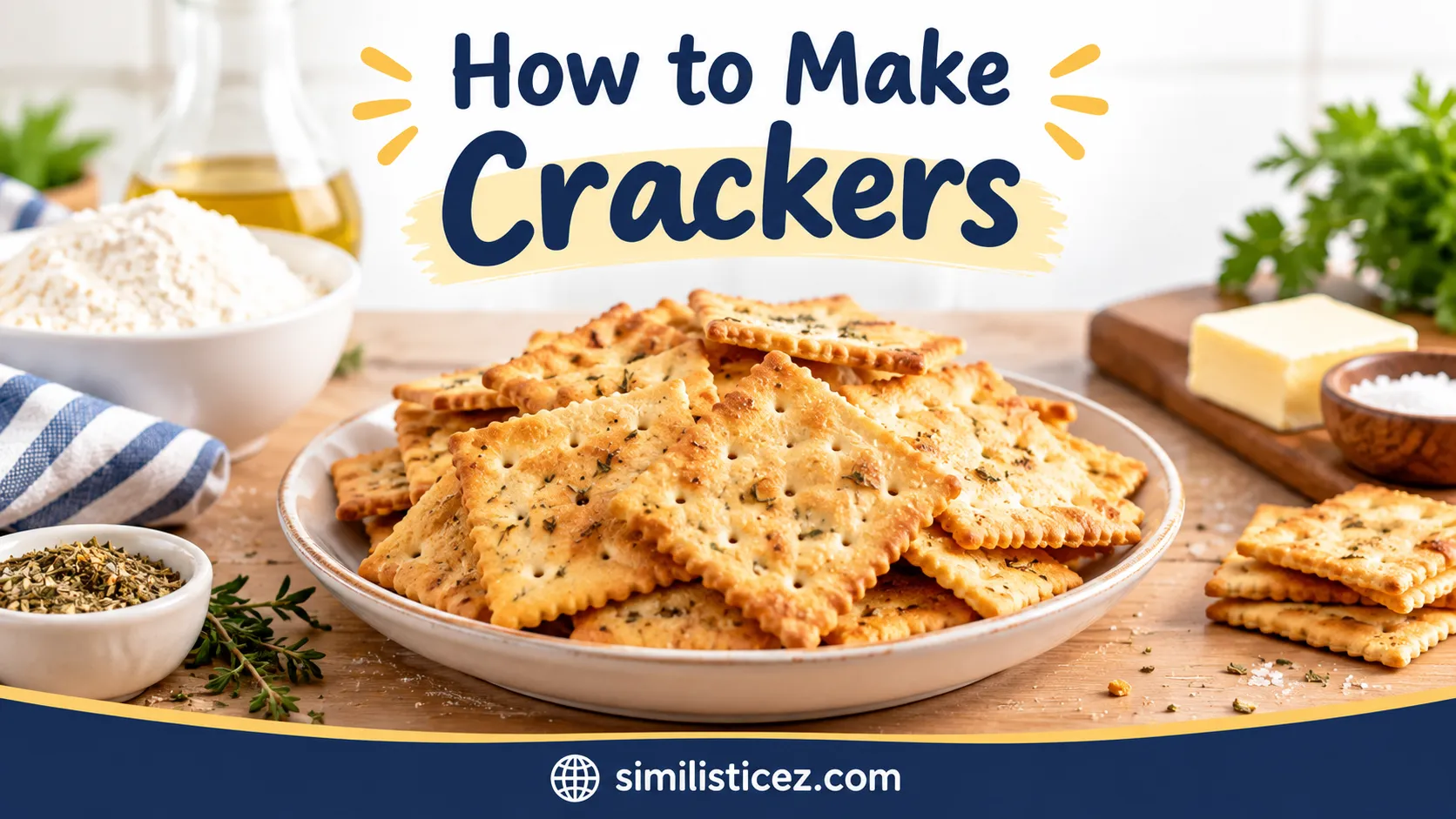
Have you ever typed “how to make crackers” into Google or seen someone use the phrase and wondered what they were really looking for?
I first came across this phrase and assumed it might be some kind of slang or texting expression.
But after looking at the wording more carefully, I realized it is usually a straightforward search about making crackers, not a common text abbreviation.
Depending on the context, “crackers” can mean food crackers or, in some places, fireworks. So, the intended meaning depends heavily on what the person is talking about.
Below, I’ll explain the phrase clearly, including its possible meanings, common contexts, and safer alternatives.
Quick Answer:
“How to make crackers” is usually a question asking for instructions on making crackers. It is not commonly used as texting slang or a standard abbreviation.
🧠 What Does “How to Make Crackers” Mean in Text?
The phrase “how to make crackers” does not have a fixed slang full form. It is generally a direct question asking how something called “crackers” can be made.
The word crackers can have different meanings depending on context:
- 🍪 Food crackers: Thin, crisp baked snacks made from ingredients such as flour and seasonings.
- 🎆 Fireworks: In some regions, “crackers” can refer to small fireworks or explosive fireworks products.
- 💬 Slang: In certain contexts, “cracker” can have unrelated slang meanings, so context matters.
For example, someone searching “how to make crackers” on a cooking website may simply want a homemade snack recipe.
In short: “How to make crackers” = a question about making crackers, with the exact meaning depending on context.
📱 Where Is “How to Make Crackers” Commonly Used?
Because this is a normal question rather than established slang, you may see it in several places:
- 🍪 Cooking searches: People looking for homemade food-cracker recipes.
- 📱 Texting: Someone may ask a friend how to prepare homemade crackers.
- 🎥 TikTok: Users may search for food-making videos or recipes.
- ▶️ YouTube: Recipe tutorials commonly use similar wording.
- 🔎 Google: It can appear as a how-to search query.
- 💬 Chat groups: Friends may ask about preparing snacks.
When referring to food, the phrase is generally casual and harmless. If “crackers” means fireworks or explosive devices, however, instructions for making them can be dangerous. It is much safer to use commercially manufactured products according to local laws and safety instructions.
💬 Examples of “How to Make Crackers” in Conversation
Here are natural examples showing how the phrase might appear in everyday conversations:
A: “i want to make homemade crackers 😋”
B: “same! how do you make them?”
A: “how to make crackers without eggs?”
B: “try looking for a simple flour-based recipe.”
A: “these crackers are so good 😂”
B: “wait, did you make them yourself?”
A: “how do you make crackers crispy?”
B: “baking them properly usually helps.”
A: “i saw a homemade cracker recipe on tiktok 👀”
B: “send it to me!”
A: “can we make crackers at home this weekend?”
B: “yeah, that sounds fun 😄”
A: “what ingredients do we need for homemade crackers?”
B: “let’s check the recipe first.”
These examples show that the phrase is usually being used literally rather than as slang.
🕓 When to Use and When Not to Use “How to Make Crackers”
✅ When To Use
Use the phrase when:
- You are asking about making food crackers.
- You are searching for a homemade recipe.
- You are chatting casually about cooking.
- You want to ask someone for a cracker-making method.
- You are discussing a cooking video or tutorial.
❌ When Not To Use
Avoid using the phrase when:
- You actually mean a different type of snack.
- The context could make the meaning unclear.
- You are writing a formal request and need to be more specific.
- You are asking for instructions involving fireworks or explosive materials.
For potentially dangerous materials, don’t rely on casual internet instructions. Use legal, professionally manufactured products and follow the relevant safety guidance instead.
Comparison Table
| Context | Example Phrase | Why It Works |
| Friend Chat | “how do you make crackers? 😄” | Casual & friendly |
| Cooking Chat | “do you know how to make homemade crackers?” | Clear & useful |
| Work Chat | “Could you share the recipe for homemade crackers?” | Polite & professional |
| “Could you please send me the homemade cracker recipe?” | Formal & clear | |
| Search | “how to make homemade crackers” | Direct & specific |
🔄 Similar Slang Words or Alternatives
Since “how to make crackers” is not established slang, there are no exact slang equivalents. However, you can use several natural alternatives depending on what you mean.
| Phrase | Meaning | When to Use |
| How do I make crackers? | Asking for a method | Casual conversation |
| How can I make crackers? | Asking about preparation | General questions |
| Homemade cracker recipe | Looking for a recipe | Cooking searches |
| How to make homemade crackers | Specific cooking query | Google or recipe sites |
| Cracker recipe | A shorter recipe search | Food-related searches |
| How do you make crackers? | Asking another person | Friendly conversations |
If you mean food, adding the word “homemade” can make your search much clearer.
Store bought crackers are convenient, but homemade crackers taste fresher, cost less, and let you control every ingredient. The best part is how simple they are: flour, salt, fat, and water turn into crisp, golden crackers in about 30 minutes.
If you have ever wondered how to make crackers from scratch, this guide gives you a reliable base recipe plus eight easy variations, smart serving ideas, and fixes for every common problem. Whether you want classic cheese crackers, gluten free almond crackers, or sweet cinnamon crackers for tea time, you will find your version here.
Quick Answer: To make crackers, mix flour, salt, and fat, add water to form a stiff dough, roll it very thin, cut into squares, dock with a fork, and bake at 350 degrees Fahrenheit for 12 to 17 minutes until golden and crisp.
Why Make Crackers at Home
- Better flavor. Warm from the oven, homemade crackers have a toasty taste that boxed crackers cannot match.
- Simple ingredients. No preservatives, no unpronounceable additives, just pantry basics you already own.
- Endless variety. One base dough becomes cheese crackers, herb crackers, seeded crackers, or sweet cinnamon crackers.
- Budget friendly. A batch of 40 to 60 crackers costs a fraction of a store bought box.
- Quick to make. From mixing bowl to cooling rack in about half an hour.
- Customizable for diets. Control the salt, choose gluten free flour, or go fully vegan with olive oil.
Ingredients: You Only Need 4
For about 40 to 60 crackers:
- 1 and one half cups all purpose flour (or whole wheat flour for a nuttier cracker)
- 1 teaspoon salt, plus extra for sprinkling
- 2 tablespoons fat, such as melted butter or olive oil
- Half a cup of water, added a little at a time
Optional add ins: 2 tablespoons chopped fresh herbs such as rosemary or thyme, 1 tablespoon garlic powder or onion powder, 1 to 2 tablespoons sesame seeds or flax seeds, or three quarter teaspoon cracked black pepper.
The flour is the backbone, the fat creates tenderness, the salt drives flavor, and the water binds everything into a dough. That is genuinely the whole list. Every variation in this guide starts from this exact base and changes one or two elements.
Tools You Will Need
- Large mixing bowl
- Rolling pin (a clean wine bottle works in a pinch)
- Baking sheet lined with parchment paper
- Pizza cutter, pastry wheel, or a sharp knife
- Fork for docking
- Wire cooling rack
Rolling between two sheets of parchment paper keeps the dough from sticking and makes cleanup almost nonexistent, so grab two sheets before you start.
Step by Step: How to Make Crackers
Step 1: Preheat the oven. Set your oven to 350 degrees Fahrenheit and line a baking sheet with parchment paper. Give the oven a full 10 minutes to reach temperature, because an underheated oven steams crackers instead of crisping them.
Step 2: Mix the dry ingredients. In a large bowl, stir together the flour, salt, and any dry seasonings you are using. Whisking rather than stirring breaks up any lumps in the flour.
Step 3: Add the fat. Pour in the melted butter or olive oil and mix until the mixture looks like coarse crumbs. If you want a flakier cracker, rub cold cubed butter into the flour with your fingertips instead of using melted fat.
Step 4: Add water and form the dough. Add the water a little at a time, mixing until a stiff but smooth dough forms. You may not need all of it. Knead gently for a minute, then cover and rest the dough for 10 to 15 minutes. The rest relaxes the gluten so the dough rolls out without springing back.
Step 5: Roll it very thin. Divide the dough in half for easier handling. On a lightly floured surface or between two sheets of parchment, roll each half to about one eighth of an inch thick, or even thinner. Thin dough is the secret to crisp crackers. Press harder from the center and lighter near the edges to keep the thickness even.
Step 6: Cut into shapes. Trim the edges to make a neat rectangle, then cut into squares with a pizza cutter or knife. A fluted pastry wheel makes pretty edges. Crackers do not spread much, so you can place them close together on the sheet.
Step 7: Dock with a fork. Prick each cracker a few times with a fork. This lets steam escape and stops the crackers from puffing up like little pillows.
Step 8: Bake until golden. Bake for 12 to 17 minutes, until the edges turn golden brown. If the edge crackers brown faster, pull them out early and give the center ones a few more minutes. Cool completely on a wire rack, because crackers crisp up further as they cool.
10 Tips for Perfectly Crispy Crackers
- Roll thinner than you think. Aim for one sixteenth to one eighth of an inch. Thick crackers stay soft in the middle.
- Dock generously. Skipping the fork pricks is the main reason crackers puff up and bake unevenly.
- Rest the dough. A 10 to 15 minute rest relaxes the dough so it rolls out without springing back.
- Watch the last minutes. Crackers go from golden to burnt quickly. Start checking at 12 minutes.
- Cool in the oven for extra crunch. Turn the oven off and leave the crackers inside for 30 to 60 minutes to dry out fully without over baking.
- Cool completely before storing. Warm crackers release steam in the container and turn soggy.
- Use cold fat for flakiness. If you want a flakier, more layered cracker, rub cold cubed butter into the flour instead of using melted butter.
- Brush with water or oil before salting. A light brush helps coarse salt and seeds stick to the tops instead of falling off.
- Bake in small batches. Two thinly loaded sheets bake more evenly than one crowded sheet.
- Refresh stale crackers. If they soften after a few days, 5 minutes in a 300 degree oven brings the crunch back.
8 Easy Cracker Variations
1. Cheese crackers. Reduce the flour to 1 cup and add 1 cup of finely shredded sharp cheddar. Roll extra thin and bake at 325 degrees for 17 to 20 minutes until deep golden. These taste like a grown up version of the boxed cheese crackers.
2. Whole wheat crackers. Swap the all purpose flour for whole wheat flour and add 1 teaspoon of honey for balance. These bake a little faster, so check at 10 minutes. The nutty flavor pairs beautifully with strong cheeses.
3. Gluten free almond crackers. Replace the flour with 1 and one half cups of almond flour, add 1 beaten egg as a binder, and bake 13 to 15 minutes. They will be nuttier and slightly more crumbly. A gluten free flour blend works too, with no other changes.
4. Herb and seed crackers. Mix 2 tablespoons of chopped rosemary and 2 tablespoons of sesame or flax seeds into the base dough, and sprinkle extra seeds on top before baking. Press the seeds gently into the dough so they stay put.
5. Sweet cinnamon crackers. Reduce the salt to a quarter teaspoon, add 2 tablespoons of sugar and 1 teaspoon of cinnamon to the dry ingredients, and brush the tops lightly with butter before baking. Serve with tea or crumble over ice cream.
6. Everything bagel crackers. Add 1 tablespoon of everything bagel seasoning to the dry ingredients and sprinkle more on top before baking. These are addictive with cream cheese.
7. Garlic and black pepper crackers. Add 1 teaspoon garlic powder and three quarter teaspoon cracked black pepper to the dry mix. Serve with tomato soup or a hearty stew for dipping.
8. Vegan olive oil crackers. Use olive oil as the fat in the base recipe and add 1 tablespoon of nutritional yeast for a savory, cheesy flavor without any dairy.
Serving and Pairing Ideas
Homemade crackers shine on a cheese board next to cheddar, brie, or goat cheese. They are also excellent with hummus, spinach dip, or salsa, crumbled over tomato soup, packed in lunchboxes, or simply eaten warm with a smear of butter.
For a simple pairing guide, match the cracker to the topping. Plain and sea salt crackers go with everything, so bake a big batch of the base recipe for guests. Cheese crackers belong next to dips and spreads where their richness can stand out. Herb and seed crackers pair best with mild cheeses and vegetables, because strong toppings fight the herb flavor. Sweet cinnamon crackers work as a dessert cracker with mascarpone, honey, or fresh fruit.
How to Store Homemade Crackers
Once fully cool, store crackers in an airtight container at room temperature for up to 2 weeks. A tin with a tight lid works better than a plastic bag, because it keeps out humidity. If they soften after a few days, refresh them in a 300 degree oven for 5 minutes and let them cool again.
Keep different flavors in separate containers. Strong flavors like garlic and cheese will transfer their taste to plain crackers within a day if they share a box.
Make Ahead and Freezing
For longer storage, freeze baked crackers in a sealed bag for up to 3 months. Thaw at room temperature and crisp in a warm oven if needed. You can also freeze the raw dough as a disc for up to 2 months, then thaw, roll, and bake fresh whenever guests arrive.
Frozen raw dough is the secret to fresh crackers on demand. Make a double batch of dough, bake half today, and freeze the rest in discs wrapped tightly in plastic. Thaw a disc in the fridge overnight, roll it out in the morning, and you have warm crackers by lunch.
Troubleshooting: Fix Common Cracker Problems
- Crackers are soft in the middle. The dough was rolled too thick, or they need a few more minutes in the oven.
- Crackers taste too hard. They were over baked. Pull them when the edges are golden, not dark brown.
- Crackers puffed up. Dock more thoroughly with the fork next time.
- Dough cracks while rolling. Let it rest 10 more minutes, or work in a small splash of water.
- Crackers stuck to the pan. Always use parchment paper. A bare pan almost guarantees sticking.
- Edges burn before the centers crisp. Your oven has hot spots. Rotate the sheet halfway through and pull edge crackers early.
- Seeds fall off after baking. Brush the tops with a little water or beaten egg before sprinkling the seeds.
❓ FAQs:
1. Is “how to make crackers” slang?
No. It is generally a literal question rather than a recognized slang expression.
2. Does “how to make crackers” have a full form?
No. It does not have a standard abbreviation or full form.
3. What does crackers mean?
“Crackers” commonly refers to crisp baked food, but the word can have other meanings depending on context.
4. Is “how to make crackers” a formal phrase?
It is understandable but fairly casual. A formal version could be “How can homemade crackers be prepared?”
5. Can I use this phrase in texting?
Yes. You can casually ask a friend, “how do you make crackers?”
6. Is it common on social media?
The phrase can appear in recipe searches, cooking videos, and social-media discussions.
7. What does homemade crackers mean?
It usually means crackers prepared at home rather than purchased from a store.
8. Is “how do I make crackers?” correct English?
Yes. It is a natural way to ask someone for instructions.
9. Is “how to make crackers” a complete sentence?
It is better described as a question-style search phrase or title. In normal conversation, “How do I make crackers?” is more complete.
10. Can crackers be made at home?
Food crackers can be prepared at home using suitable ingredients and a reliable recipe.
11. What is another way to say “how to make crackers”?
You can say “How do I make crackers?” or “How can I make homemade crackers?”
12. Is “cracker recipe” the same as “how to make crackers”?
They have almost the same search intent. “Cracker recipe” usually specifically suggests that the person wants a recipe.
13. Is the phrase casual?
Yes. In everyday conversation, it sounds casual and straightforward.
14. Can I use it in an email?
Yes, but a more specific phrase such as “Could you please share your homemade cracker recipe?” sounds more polished.
15. Is “how to make crackers” flirty?
No. It has no standard romantic or flirty meaning.
16. Is it used in gaming chats?
It is not a common gaming abbreviation or gaming slang term.
17. Is “crackers” always about food?
No. The meaning depends on context and regional usage.
18. Why does context matter?
Some words have multiple meanings. Looking at the surrounding conversation helps identify what the speaker means.
19. Is “how to make crackers” an abbreviation?
No. It is a normal phrase consisting of a question word, verb, and noun.
20. What is the safest interpretation?
In a cooking context, the most straightforward interpretation is that someone wants to learn how to prepare food crackers.
Cracker Toppings and Dips That Work Every Time
A good cracker earns its place by what it carries, so match toppings to the cracker rather than piling on the strongest flavor in the fridge. Plain sea salt crackers suit soft goat cheese with honey, smoked salmon with a squeeze of lemon, or classic hummus with a drizzle of olive oil. Herb crackers love mild brie, whipped feta, or a fresh tomato and basil topping that lets the herbs shine. Cheese crackers pair best with sharp chutney, grain mustard, or a simple bean dip, since heavy cheese on cheese quickly turns rich and tiring.
For sweet moments, cinnamon crackers work with mascarpone and sliced fruit, a smear of almond butter, or a spoonful of jam. Keep dips thick enough to scoop without breaking the cracker, serve dips in small bowls so crackers stay crisp, and put out a mix of plain and flavored crackers so every guest finds a combination they enjoy.
Baking Crackers With Kids Safely
Crackers are a friendly first bake for children, because the dough is forgiving and the shapes are fun to cut. Give kids the safe jobs: stirring dry ingredients, pressing seeds on top, docking with a fork under supervision, and cutting shapes with a blunt pastry wheel. Keep the oven strictly for adults, use oven mitts for every tray, and let crackers cool fully on the rack before tasting, since hot crackers look done long before they feel safe to handle.
Set up a clean station with flour in a shallow tray to limit mess, roll small pieces of dough one child at a time, and talk through each step before it happens so nobody rushes near the hot oven. Kids who help bake are far more likely to try new flavors, so let them choose one variation each, whether herb, cheese, or cinnamon, and celebrate the imperfect shapes as the best part of homemade baking.
Cracker Flavours From Around the World
Every food culture has its own crisp bread, and borrowing those flavours is the easiest way to make homemade crackers feel new. Italian crackers often carry rosemary and olive oil, which give a warm, herbal note that suits cheese and soup. Indian style crackers use cumin and chilli for gentle heat, and they pair well with yoghurt dips. Middle Eastern versions use sesame and zaatar for a nutty, tangy finish, while Japanese rice crackers use soy and seaweed for a salty crunch. You do not need a new recipe for each style. Start with the same plain dough, then change only the topping or the spice mixed into it. Keep the dough thin and the oven hot, and each batch will bake in about the same time as the plain version.
Cracker Shapes and Sizes for Parties and Gifts
Shape changes how crackers feel at a party. Long thin sticks suit dips, because they reach the bottom of a bowl without breaking. Small round crackers suit a cheese board, because guests can take one in a single bite. Large rectangles can be broken by hand at the table, which suits a relaxed family meal. For gifts, cut the dough into neat squares, stack them in a clear jar, and tie the lid with string and a small label. A jar of homemade crackers looks thoughtful and costs very little. For children parties, use small cookie cutters to make stars or hearts, and keep the flavour mild so every child enjoys them. Whatever the shape, roll the dough evenly, because uneven thickness bakes unevenly and some pieces will burn while others stay soft. Label each batch with the flavour and the date, so you can repeat the ones your family loves and skip the ones they ignore.
More Questions About Making Crackers
How thin should cracker dough be
Roll it to about the thickness of a coin. Thin dough bakes crisp, while thick dough stays soft in the middle and loses the cracker snap.
Can I make crackers without an oven
A dry frying pan on low heat can crisp small batches, but an oven gives the most even result. Turn the crackers often in a pan so they do not scorch.
How do I keep crackers crisp after baking
Cool them fully on a wire rack before storing, then keep them in an airtight tin. Warm crackers sealed too soon trap steam and turn soft.
🏁 Conclusion:
The phrase “how to make crackers” is not common texting slang or an abbreviation. It is usually a straightforward search asking how to prepare crackers, especially homemade food crackers.
The exact meaning can depend on context because “crackers” may refer to different things. If you’re talking about food, clearer phrases like “how to make homemade crackers” or “cracker recipe” can make your search more specific.

Hi, I’m Ethan Caldwell. I enjoy writing simple and creative similes. I help readers express feelings like love and happiness in easy words on Similisticez.com.